Crewing guide · backyard ultra
Backyard Ultra
Crewing Tips
You've got about ten minutes between each loop to make or break your athlete's race. Here's what I wish I'd known before I crewed my first backyard ultra.
Your athlete will run each loop in about 50 minutes (average at most backyards). That will give you ten minutes or less to crew for them.
In that time, you've got to be precise. The mistakes you make could cost your athlete the race (eg. under- or over-fueling, gear malfunction, arriving late in the corral).
Our first race, we were a crew of three. And we were sloppy. We didn't know the first thing about crewing.
We kept a trail journal where we wrote down all of those mistakes, our thoughts, and feelings. This was crucial in helping us improve for our next race — the BPN Go One More.
These events are brutal, for both athlete and crew. And mistakes are to be expected. But with every race, we get a little better.
Build routines
to prevent mistakes
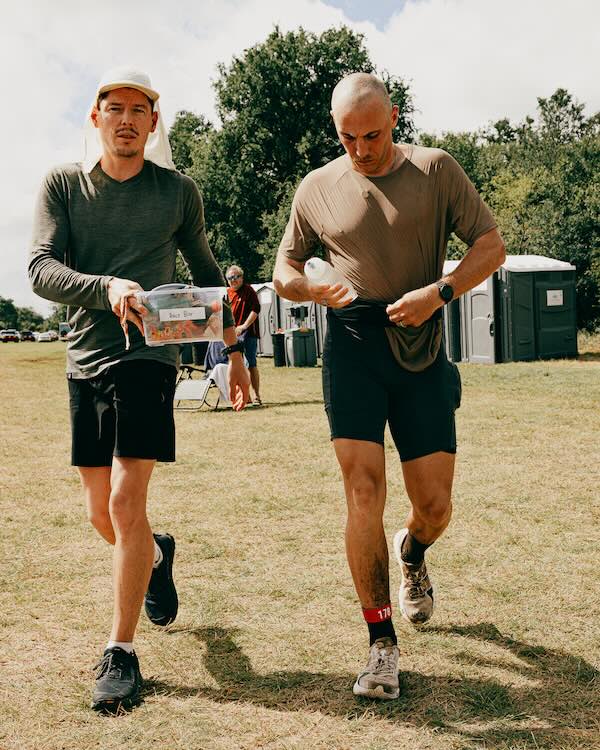
My favorite routine is the Race Box.
It has everything the runner needs out on the loop (headlamp, water, earbuds, snacks).
They take everything out before a loop, on their way to the corral. They dump it all back in when they come back.
This way, you reduce the risk that they'll forget something.
Systems like the race box that eliminate failure points are crucial, especially in later loops when you're tired and more likely to make mistakes.
Repackage food
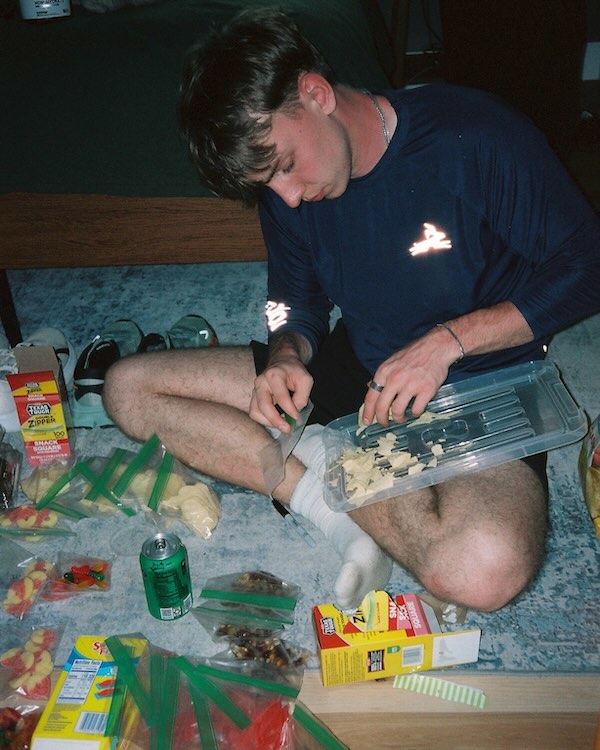
Prepare single portions of candy, fruits, chips, etc. in small ziplock bags.
Use a marker to label each bag with carb, calorie, and sodium amounts.
If your runner says they want to take candy out onto the loop, you just give them one pouch.
When they come back from a loop, they put the empty pouch in the race box, and you log the nutrients written on it in your race journal.
You don't want to be doing math at 4 AM on 20 minutes of sleep. This prevents that.
Don't ask. Tell.
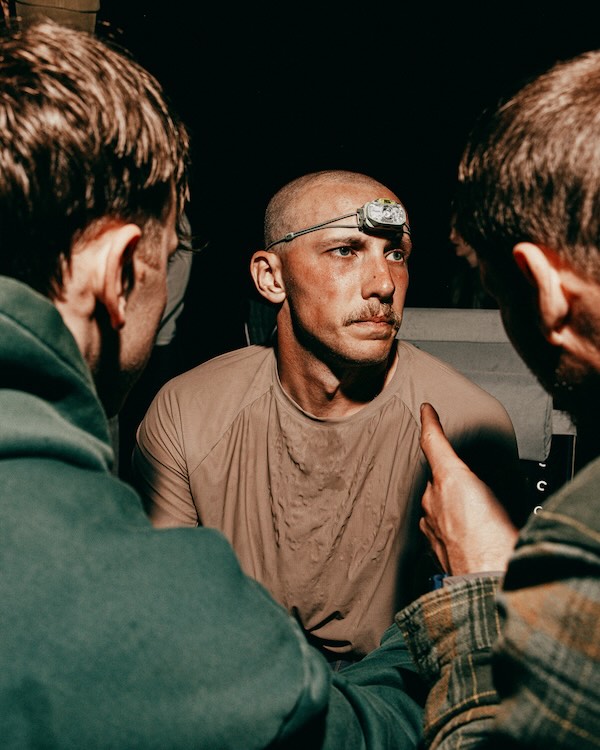
Decisions create fatigue. After a few hours of running, your athlete's mental capacity will be reduced to that of a toddler.
They will need you to think and make decisions for them. And the fewer decisions you ask them to make, the more relaxed they will feel.
So don't ask "What do you want to eat?" or "Do you want to sleep next loop?" Take initiative.
Two minutes of 'sleep' is better than none
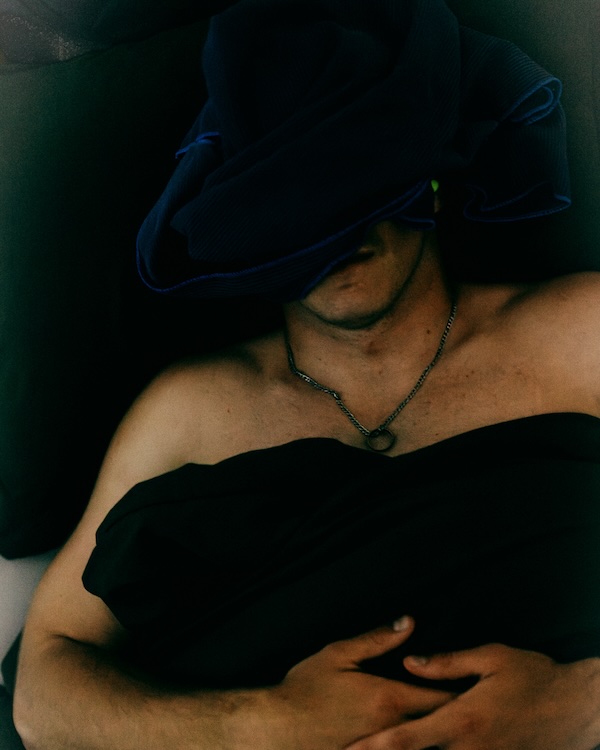
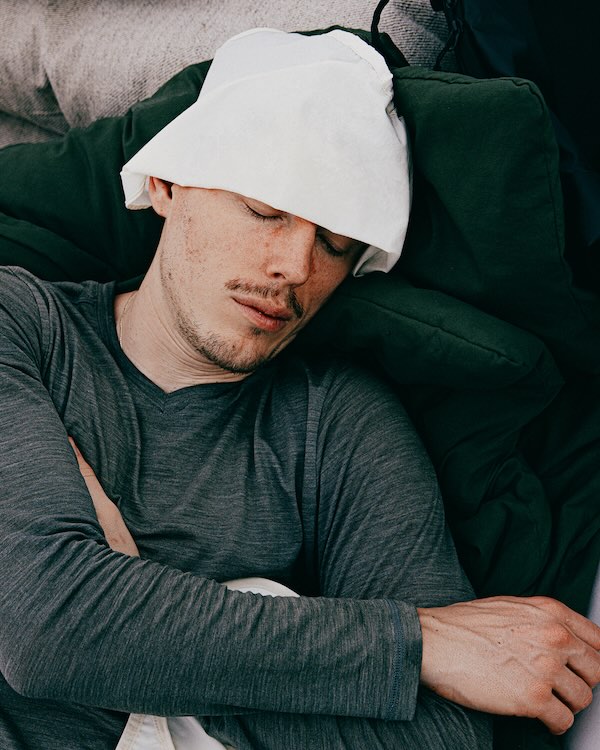
At night, have your athlete lie down and doze off. Use a face mask, earplugs, and noise cancelling headphones to block outside noises.
Most loops, they'll only be able to lay down for a few minutes before getting ready for the next loop. That's okay. Two minutes of rest is better than none.
You'll want to wake them up about 3 minutes before their next loop starts.
Some food every loop
They need to eat and drink sufficiently during every loop. Underfueling or dehydration will cost them the race. So make sure there's always gas in the tank.
A loop without food will be difficult to make up for later.
After running for a while, your athlete won't have the same appetite. And you'll have to work harder to get them to eat.
Real food every few hours
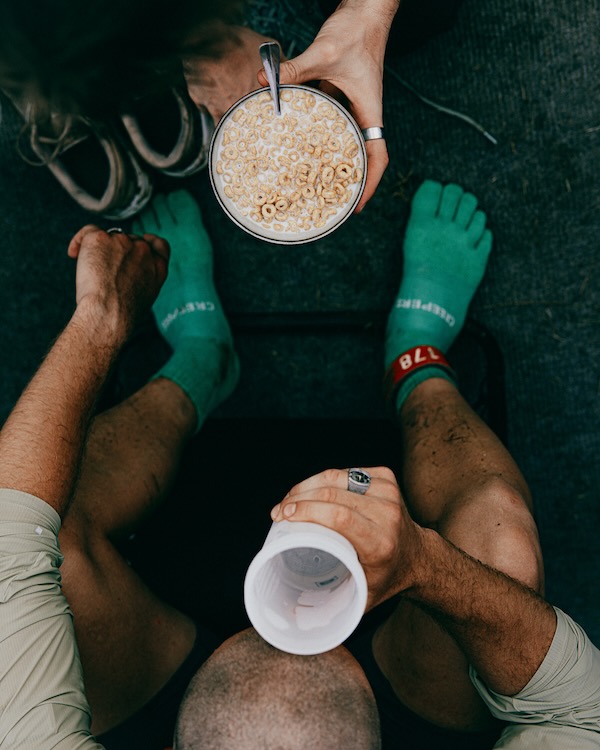
Prepare solid, warm food every 4-5 hours (think breakfast, lunch, and dinner) to prevent stomach problems and give them something to look forward to.
Gels and sodas are great sources of fast carbs. But it can't be all you rely on for a race that may go 30+ hours.
Common backyard ultra staples include oatmeal, broth, sushi (one of Kim Gottwald's favorites), or pasta.
Document everything
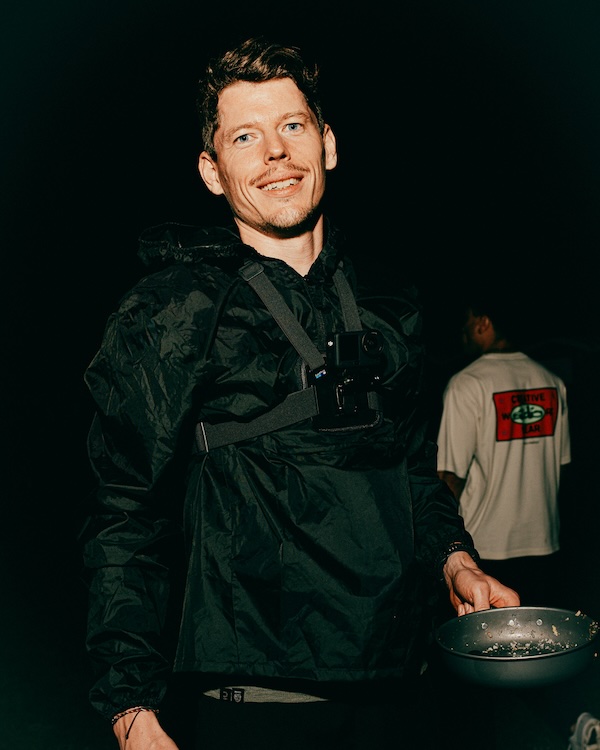
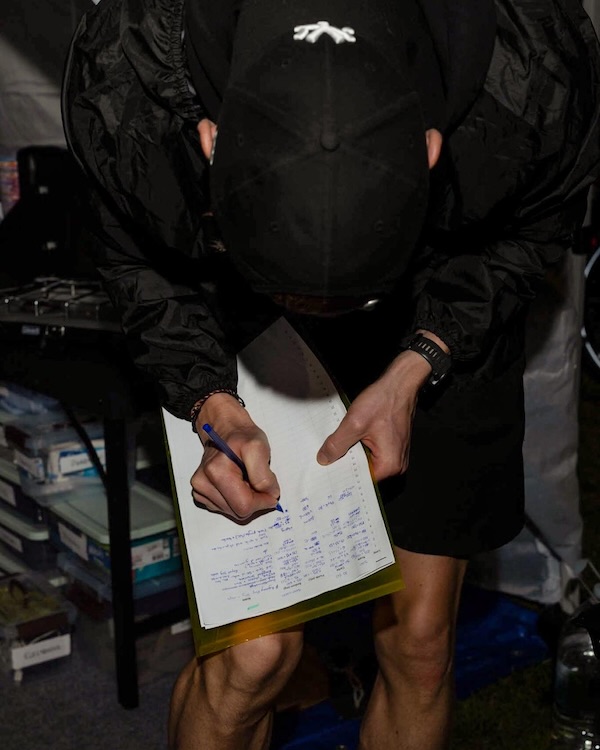
Use a race journal to keep a record of what happens, loop by loop. After the race, study it so you know what to improve for your next event.
At the BPN Go One More Backyard Ultra, we kept two journals. One was for tracking food and nutrition; the other for sleep, pace, and the runner's mental state.
Take care of yourself
You are useless to your runner if you're sleep-deprived. Your thinking needs to be sharp, your emotions stable, and your movements precise. So rest when you can.
When your athlete goes out on the loop, fill out the race journal, then lay down for a 10-15 minutes. The adrenaline will make it difficult to fully disconnect. Keep trying.
It is a good idea to rotate crew members so everyone can get at least a few hours of sleep every day.
Let them see and hear you
Be there at every finish line.
It seems futile, but crossing a finish line without anyone waiting for you can be demoralizing. So don't chill in your tent. Greet them at the finish line.
Some races also have a halfway point where you can see and talk to your athlete. Again, make an effort to always be there and cheer for them. This will help interrupt whatever negative emotions they may be experiencing in the moment.
They might not acknowledge you, but they'll know. And it'll help.
Don't get attached to plan A
"Man plans. God laughs." - Yiddish proverb
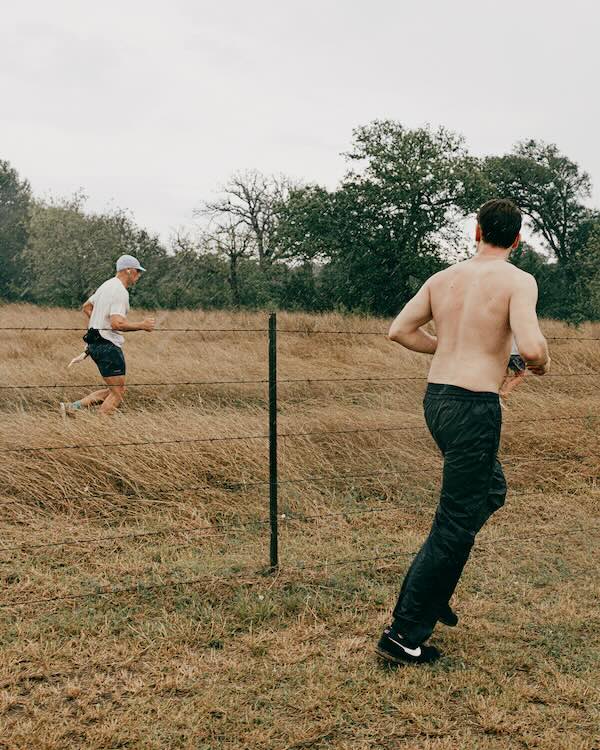
What can go wrong will go wrong at a backyard ultra.
You planned to give your athlete a foot bath, but they spent 10 minutes in the toilets instead. Or a storm is threatening to take down your tent. Or you're out of dry clothes and towels.
Set your emotions aside, recognize that unpredictability is part of the game, and be ready to think fast.
Bring them back
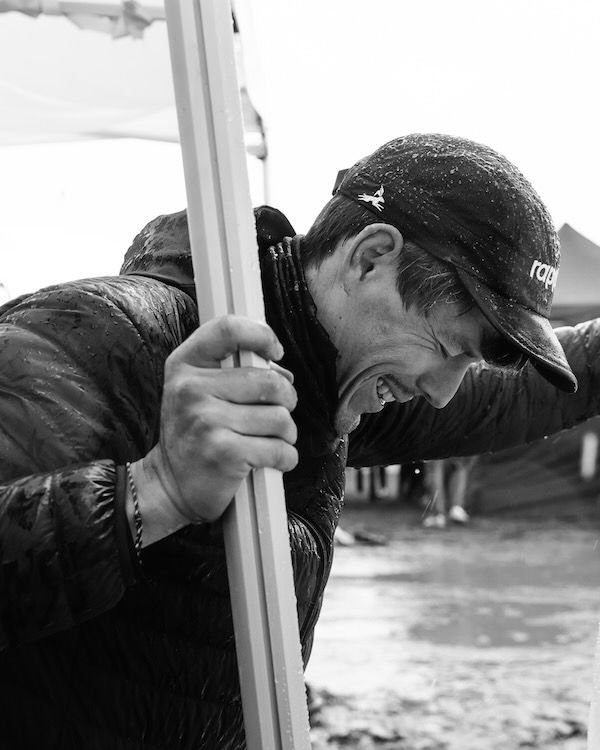
Your athlete will be in a lot of pain. They'll hallucinate. They'll want out. It's on you, the crew, to remind them who they are and why they're doing this.
There's no sure recipe. In fact, 90% of what you'll tell them will not land. So keep talking until you find the one phrase, metaphor, or story that will land and give them a second wind.
And most importantly, do not let them quit in the chair.
Focus on non-verbal communication
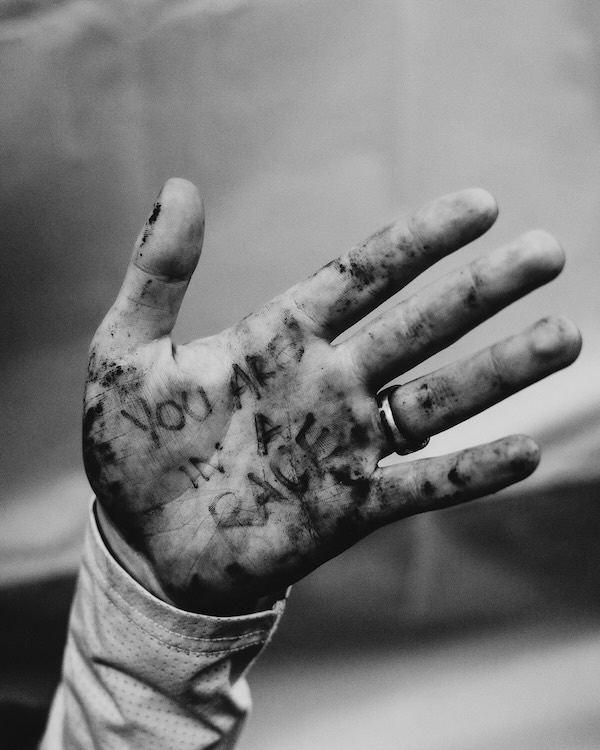
After 30-plus hours of running, your athlete becomes a toddler. Decision fatigue sets in, and the conscious, logical mind is mostly fried. You're really talking to the subconscious now, and the subconscious doesn't speak the way we do.
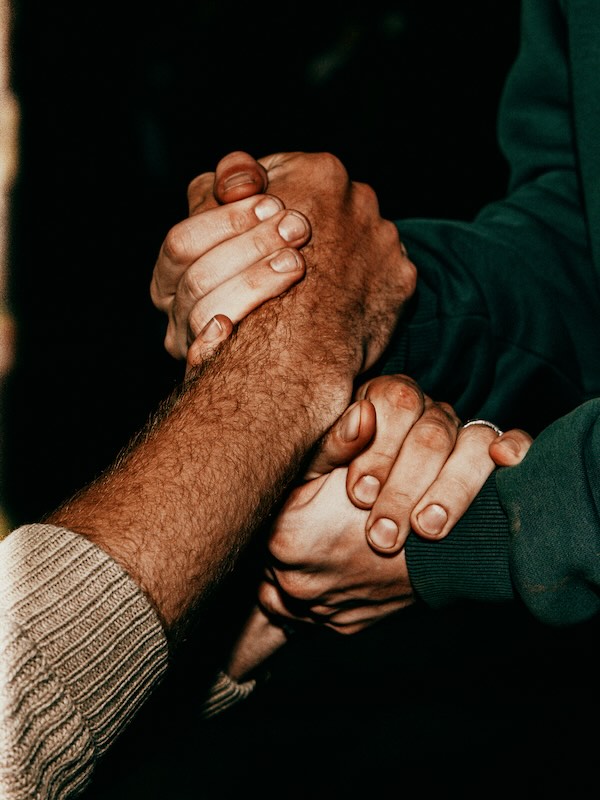
"You got this, keep going" has little to no effect at that point. What matters more is tone of voice over what you're saying, touch over words, actions over questions, calmness over reassurance, energy over pep talks.
Your athlete needs to feel stable and supported when they come back to camp. How you show up will matter more than any words you can say.
Photos by @romanxlang featuring Alyssa McClellan, Aleksander Lingauer, Johann Lingauer, and Pawel Dregan.